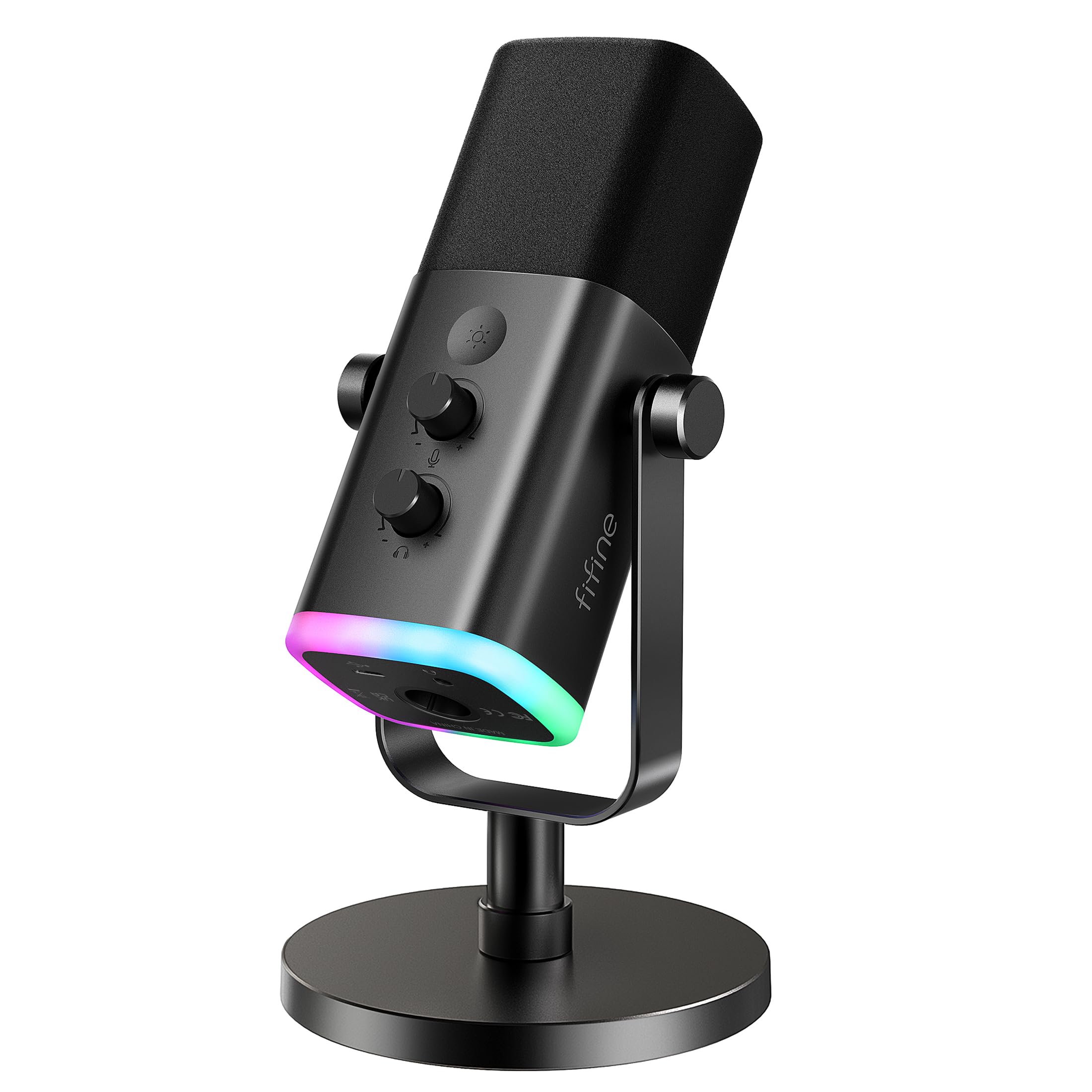
The FIFINE AmpliGame AM8 combines plug-and-play USB recording with an XLR connection for a more expandable audio setup.
This fifine usb/xlr dynamic microphone for podcast recording review focuses on its useful controls, desk-friendly design, and the tradeoffs between its two connection modes.
FIFINE AM8 Review Summary
The quick verdict
12,000+ ratings
Read Amazon ReviewsFIFINE AmpliGame AM8
A practical fit for beginner podcasters and streamers who want USB convenience, onboard controls, and the option to move to an XLR setup.
- USB and XLR connection options support a straightforward computer setup or connection to an audio interface or mixer.
- Cardioid dynamic pickup and a 50 Hz–16 kHz frequency response are intended for vocal recording; the suggested recording distance is 2–6 inches.
- USB mode includes tap-to-mute with an LED reminder, a gain knob, and a headphone jack for monitoring.
- USB-only RGB lighting offers three modes and more than ten color choices, with memory for the selected lighting setting.

Pros
- USB provides a direct route into recording without requiring a separate audio interface.
- The onboard mute control and visible reminder make it easier to manage muting during a live session.
Consider before buying
- The XLR cable is not included, and XLR use requires an audio interface or mixer.
- RGB lighting and the microphone’s onboard function controls are unavailable in XLR mode.
Read the full review summary
The AM8 is designed to serve both newcomers who want a simple desktop microphone and creators who may later add an audio interface or mixer.
In USB mode, it offers tap-to-mute with an LED reminder, headphone monitoring, a gain control, and adjustable RGB lighting.
Its cardioid dynamic design and stated 50 Hz–16 kHz frequency response make it a vocal-focused option for streaming, podcasting, and singing.
The main buying consideration is that its onboard conveniences are tied to USB. Switching to XLR requires a separate cable and an audio interface or mixer, and the RGB and microphone controls are inactive in that mode.
Buyers who expect to use XLR should plan for that extra setup; those staying with USB can make fuller use of the AM8’s integrated controls.
The buying factors
FIFINE AM8 Scorecard
Editorial scores reflect listed features and buyer fit; they are not laboratory measurements or customer ratings.
Connection flexibility
USB offers a simple starting point, while XLR can connect the mic to an audio interface or mixer as a setup grows.
USB controls
Tap-to-mute, an LED reminder, headphone monitoring, and gain adjustment provide several useful controls at the mic.
Vocal-focused design
The cardioid dynamic format and 50 Hz–16 kHz response suit close voice recording and streaming use.
Setup simplicity
USB is described as plug and play, while XLR adds a separate cable and audio equipment to the setup.
Streaming presentation
Three RGB modes and more than ten color choices let USB users coordinate the mic with a gaming setup.
Included mounting flexibility
A desktop stand is included, and built-in 3/8-inch and 5/8-inch threads support many mic stands.
Key Features and Specifications of FIFINE AM8
- USB and XLR connection options support a straightforward computer setup or connection to an audio interface or mixer.
- Cardioid dynamic pickup and a 50 Hz–16 kHz frequency response are intended for vocal recording; the suggested recording distance is 2–6 inches.
- USB mode includes tap-to-mute with an LED reminder, a gain knob, and a headphone jack for monitoring.
- USB-only RGB lighting offers three modes and more than ten color choices, with memory for the selected lighting setting.
- The microphone includes a desktop stand and built-in 3/8-inch and 5/8-inch metal threads for compatible stands.
- A windscreen is included as part of the design, and the product notes recommend connecting to a PS5’s rear USB-A port.
Pros and Cons of FIFINE AM8
Pros
- USB provides a direct route into recording without requiring a separate audio interface.
- The onboard mute control and visible reminder make it easier to manage muting during a live session.
- Headphone monitoring and a gain knob put useful audio adjustments within reach in USB mode.
- XLR gives buyers a path to connect the mic to an interface or mixer later.
- The included desktop stand and standard mounting threads offer more than one placement option.
Consider before buying
- The XLR cable is not included, and XLR use requires an audio interface or mixer.
- RGB lighting and the microphone’s onboard function controls are unavailable in XLR mode.
- The suggested 2–6-inch recording distance calls for close placement; check that this suits your desk and speaking posture.
Who Should Buy FIFINE AM8?
Good fit
Consider the AM8 if you want a desktop microphone for gaming, streaming, or podcasting and prefer to begin with a direct USB connection.
Its mute control, monitoring jack, and gain knob can keep common adjustments close at hand, while the LED reminder helps show when the mic is muted.
It also makes sense for a buyer who values an upgrade path.
The XLR output can connect to an interface or mixer, and the built-in mounting threads give you options if you later move away from the included desktop stand.
Budget for a separate XLR cable and the required audio equipment if that is your intended setup.
The RGB features may be a welcome extra for a gaming desk, though their appeal depends on your preference for illuminated gear.
If you expect to use the mic in USB mode, the lighting and controls are part of the experience; if you plan to use XLR, judge it primarily on the microphone and your external audio chain.
Who should skip it
Skip this model if you need the microphone’s onboard mute, gain, monitoring, or lighting controls to remain available while connected over XLR. Those controls are specified for USB use, so check your preferred workflow before choosing a connection.
It may be a poor fit if your recording position keeps you farther from the mic than its suggested 2–6-inch range, or if you need a complete XLR setup without buying a cable and interface or mixer separately.
How the FIFINE AM8 Fits a Creator Setup
USB keeps the first setup manageable
The USB connection is the simplest route for a new streamer or podcaster: connect it to a computer and use the controls on the microphone.
Mute, gain adjustment, and headphone monitoring can reduce the need to reach for software during a session, while the LED reminder gives a direct visual cue about mute status.
XLR is an expansion path with a mode change
The second connection type can suit a creator building around an audio interface or mixer.
It does require a separate XLR cable and external audio equipment, and the AM8’s RGB and onboard function controls stop being available in XLR mode.
That makes the choice of connection central to how the mic will be used, rather than a simple cable swap with every USB feature preserved.
Close placement shapes the desk experience
The suggested 2–6-inch distance points toward close-mic use.
That can be practical for a seated voice setup, but it means buyers should check that the mic and stand can sit comfortably near their speaking position without crowding a keyboard, monitor, or other desk gear.
Mounting options support a changing workspace
The included desktop stand is ready for a basic workstation, while the 3/8-inch and 5/8-inch threads support many mic stands.
That flexibility can help if the creator later changes placement, though buyers should confirm that their chosen stand and available desk space suit the intended arrangement.
Alternatives to FIFINE AM8
Multipurpose Dynamic Microphones alternative
5,000+ ratings
Read Amazon ReviewsSamson Q2U
Choose the AM8 if its onboard USB controls and lighting better suit a gaming or streaming desk.
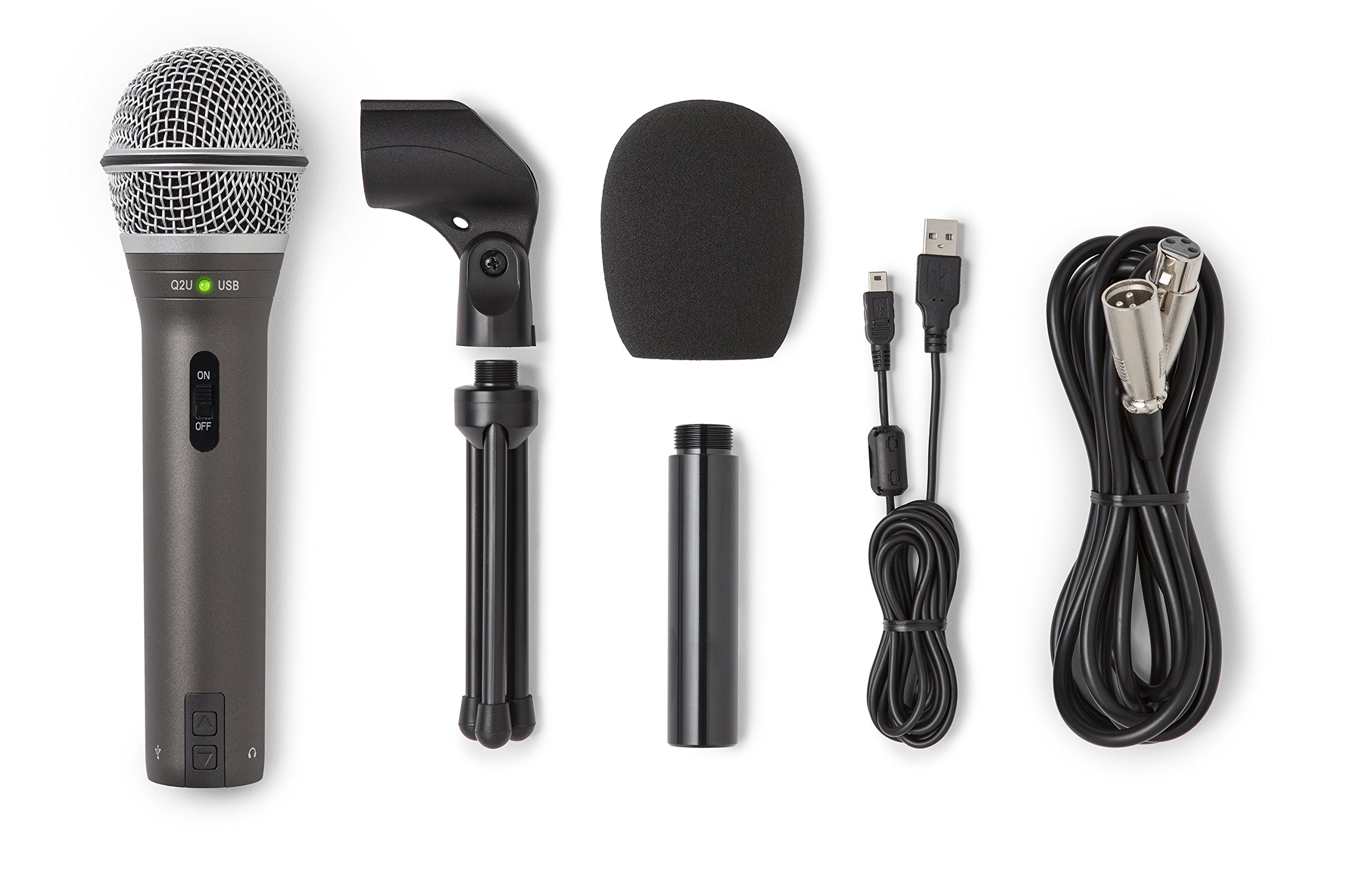
Consider the Q2U if a handheld form and a pack that includes both connection cables are more useful to your recording setup.
- The Samson Q2U is a handheld dynamic microphone with USB-C and XLR connections.
- Its supplied pack includes a tripod desktop stand, extension, mic clip, windscreen, USB-C cable, and XLR cable.
- The FIFINE AM8 pairs USB and XLR with USB-only RGB lighting, mute, gain, and headphone monitoring controls.
Multipurpose Dynamic Microphones alternative
800+ ratings
Read Amazon ReviewsMAONO PD100
The AM8 is the more suitable choice if direct USB use and USB-mode controls matter.
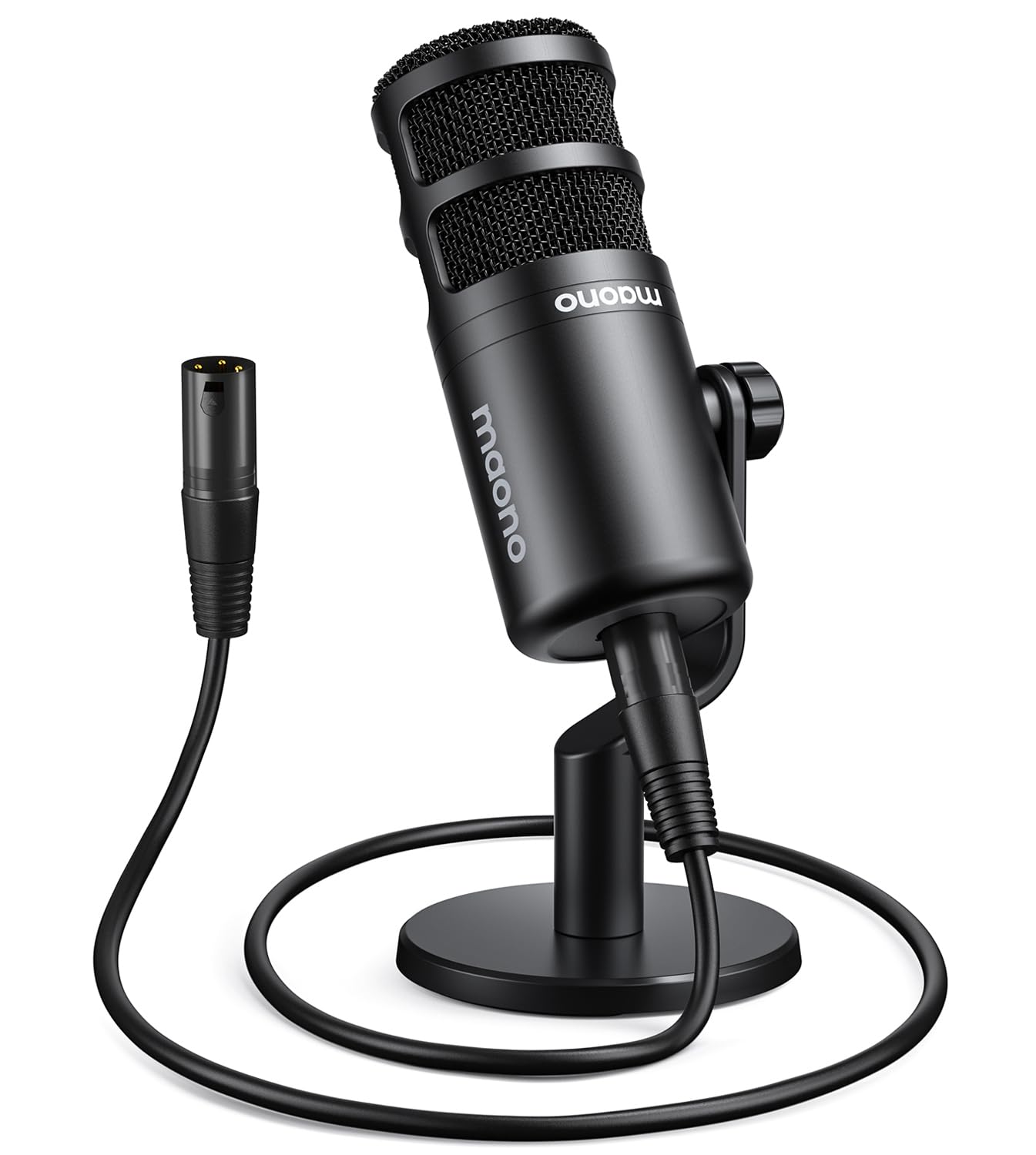
The PD100 is worth considering if you already plan to use an interface or mixer and prefer a desk-mic set that includes an XLR cable.
- The MAONO PD100 is an XLR cardioid dynamic desk microphone with a metal body, desktop stand, height extender, round metal base, and included XLR cable.
- It is intended for connection to an audio interface or mixer.
- The FIFINE AM8 can connect directly by USB or through XLR, with RGB and its onboard controls available in USB mode.
Is FIFINE AM8 Worth It?
The FIFINE AmpliGame AM8 is worth considering for creators who want a close-positioned desktop mic that can start on USB and later connect through XLR.
Its onboard mute, monitoring, and gain controls make USB the more feature-rich mode, while RGB adds a configurable visual accent.
Before buying, decide which connection you expect to use. XLR adds an interface or mixer and a separate cable, and it leaves the AM8’s RGB and function controls inactive.
If that tradeoff fits your plans, the AM8 offers a flexible foundation for voice-focused streaming and podcasting.
Your review at a glance
12,000+ ratings
Read Amazon ReviewsFIFINE AmpliGame AM8
A practical fit for beginner podcasters and streamers who want USB convenience, onboard controls, and the option to move to an XLR setup.
- USB and XLR connection options support a straightforward computer setup or connection to an audio interface or mixer.
- Cardioid dynamic pickup and a 50 Hz–16 kHz frequency response are intended for vocal recording; the suggested recording distance is 2–6 inches.
- USB mode includes tap-to-mute with an LED reminder, a gain knob, and a headphone jack for monitoring.
- USB-only RGB lighting offers three modes and more than ten color choices, with memory for the selected lighting setting.